Choosing formal outfits for hot weather can be challenging. High temperatures often clash with the need for professionalism. You might wonder how to choose formal outfits for hot weather without sacrificing style or comfort.
The key is to blend breathable fabrics with polished designs. Look for lightweight materials like linen or cotton. They allow airflow and help keep you cool. Consider lighter colors as well. These tend to reflect sunlight and make you feel more comfortable.
Accessories can play an essential role. A stylish hat or a statement piece can elevate your look while providing shade. However, remember that personal comfort varies widely. What feels right for one person might not suit another. Reflect on your comfort levels in different fabrics and styles. This journey requires careful consideration of both functionality and aesthetics.
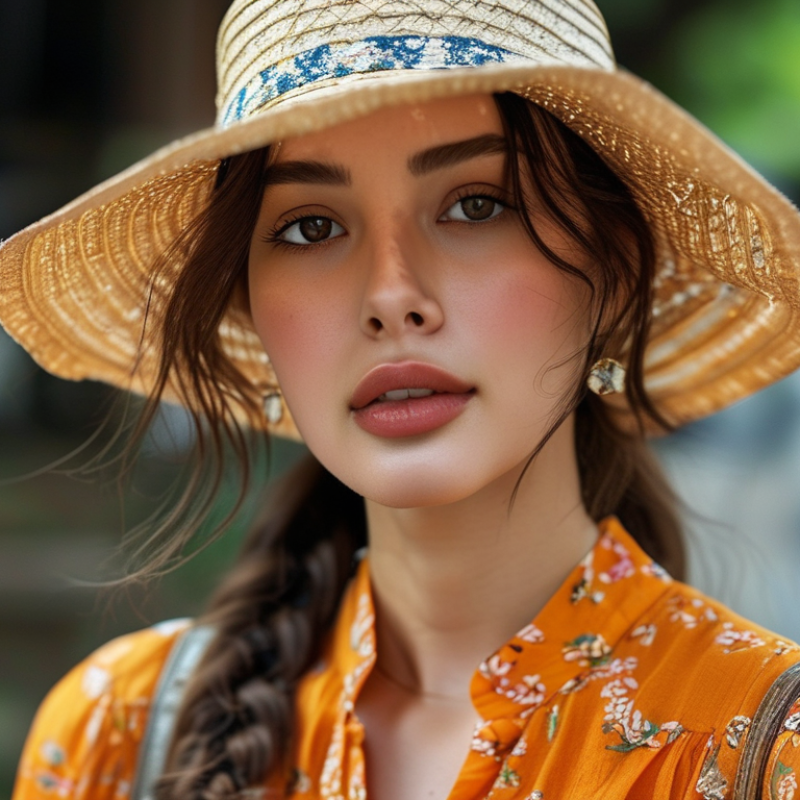
Choosing the right fabrics is crucial for staying comfortable in hot weather. Breathable materials allow air circulation, reducing sweat and heat retention. Cotton is a popular choice due to its natural fibers. It absorbs moisture effectively, keeping you dry. According to a report by the Fabric Analysis Institute, cotton can lower body temperature by up to 4°F compared to synthetic alternatives.
Linen is another excellent option. Its loose weave promotes airflow, making it ideal for formal outfits. A study from the Textile Research Journal highlights that linen can absorb up to 20% of its weight in moisture without feeling wet. This characteristic ensures a cooler experience. However, linen wrinkles easily, which may not suit everyone’s taste for polished looks.
Silk offers a luxurious feel, though it’s less breathable than cotton or linen. Its smooth texture can be uncomfortable if temperatures rise too high. Consider the setting when choosing silk for formal wear. A blend of fabrics can sometimes offer the best of both worlds. Remember, comfort is personal. What works for one may not work for another. Regular testing of fabrics in various environments can enhance your wardrobe choices.
Choosing formal outfits in hot weather requires careful consideration, especially regarding color. Light colors, such as white, beige, and pastels, reflect sunlight. They absorb less heat than darker shades, keeping you cooler. According to a study from the Journal of Fashion Technology and Textile Engineering, lighter colors can reduce body temperature by several degrees. This is crucial in high temperatures, where comfort is essential for productivity.
Color psychology plays a significant role in how we feel in our clothing. Wearing light colors not only helps regulate temperature but can also enhance mood. Research from the Institute for Color Research indicates that color affects our emotions and responses. Wearing lighter shades can evoke feelings of calmness and relaxation, providing a psychological edge during stressful hot days.
Many professionals overlook the importance of fabric choice alongside color. Lightweight materials like cotton and linen complement light shades perfectly. However, mixing material weight and color can lead to discomfort. There’s a delicate balance between looking formal and feeling cool. Be cautious; even the best color choices won't matter if the fit is too tight or the fabric too heavy. Make choices that prioritize both comfort and style.
Choosing the right formal outfit for hot weather can be a challenge. Tailoring plays a crucial role in how comfortable you feel. According to a study conducted by the Fabric Institute, about 70% of people reported feeling cooler in well-tailored clothing. This suggests that the cut of an outfit impacts heat regulation considerably. A tailored fit allows air to circulate more freely around your body. Loose-fitting clothes can trap heat, while a precise fit encourages airflow.
Comfort in warm climates doesn’t solely depend on fabric. The tailoring technique also matters. According to the Textile Research Journal, fabrics with vertical seams can allow for better ventilation. Properly placed darts and pleats help in enhancing breathability. Sadly, many overlook the importance of these details. A poorly fitted suit may not only be unflattering but can also lead to overheating. Observational studies show that a tailored suit can make a person appear more polished, yet many remain hesitant to invest in proper fittings.
Investing in tailoring can result in a significant difference. You may find that the traditional fit isn't always suitable for hot weather. Adjustments can enhance both comfort and style. Remember, even when a garment looks good off the rack, its true potential often lies in personalized alterations. Heat and humidity should not dictate your professional appearance.
| Tip Number | Tip Description | Impact on Heat Regulation |
|---|---|---|
| 1 | Choose breathable fabrics | Allows air circulation |
| 2 | Opt for light colors | Reflects sunlight |
| 3 | Select loose-fitting clothing | Enhances airflow |
| 4 | Incorporate moisture-wicking materials | Keeps skin dry |
| 5 | Consider UV protection fabrics | Protects from sun damage |
| 6 | Tailor outfits for a proper fit | Improves comfort and mobility |
| 7 | Avoid heavy layers | Reduces heat retention |
| 8 | Choose short-sleeve or sleeveless options | Maximizes exposure to breezes |
| 9 | Incorporate stylish accessories | Enhances style without extra heat |
| 10 | Stay hydrated and cool | Supports overall comfort during wear |
Dressing formally in hot weather can be challenging, yet effective layering techniques can help you maintain both style and comfort. Start with breathable fabrics as your base. Materials like linen and cotton allow air circulation while keeping you cool. A light, tailored shirt can serve as a great foundation. Opt for lighter colors, which reflect sunlight rather than absorbing it.
To incorporate layering without overheating, think of lightweight blazers or vests. Choose unlined versions made from breathable textiles. If you need a formal jacket, consider rolling up the sleeves for a relaxed touch. Accessories, like a sleek pocket square, can enhance your look without adding bulk. Additionally, consider how your layers interact. A fitted shirt under a looser blazer can create balance and promote airflow.
Reflecting on personal choices is also important. Sometimes, you may feel inclined to wear heavier styles for the sake of formality. However, this can lead to discomfort. Experimenting with different combinations can reveal surprising results. Don’t shy away from trying unexpected pairings. After all, your aim is to blend comfort with elegance in a way that suits your unique style.
Accessorizing for functionality is key when selecting formal outfits in hot weather. Choosing the right accessories can enhance comfort without sacrificing style. Lightweight scarves can be both functional and stylish. Drape them over your shoulders for a touch of elegance, while also providing a barrier against the sun.
Consider opting for breathable, moisture-wicking fabrics in your accessories. Linen ties or fabric belts can allow for ventilation and maintain a polished look. Accessories don’t have to be heavy or structured. Look for versatile pieces that can serve multiple purposes, like a chic sunhat that protects you from the sun and adds flair to your outfit.
Pay attention to your footwear as well. Choose polished, yet breathable shoes. Open-toed options can help keep your feet cool. Remember, comfort shouldn't compromise your formal appearance. Reflect on the balance between style and practicality. Keeping your accessories functional will keep you looking sharp and feeling fresh in the heat.
: Tailoring significantly impacts heat regulation and comfort. A well-tailored outfit enhances airflow around the body.
Approximately 70% of individuals report feeling cooler in well-tailored outfits according to a study.
Yes, techniques like vertical seams, darts, and pleats enhance ventilation and breathability in clothing.
Many overlook tailoring details, believing off-the-rack clothes are sufficient, which can lead to discomfort.
Investing in tailoring can enhance comfort and style, especially for hot weather, making it often worthwhile.
Lightweight scarves, breathable ties, and versatile hats can provide both comfort and style in the heat.
Choosing polished yet breathable shoes helps maintain comfort. Open-toed options can keep feet cooler.
Comfort is essential, but it shouldn't come at the cost of style. Balance is key.
Off-the-rack clothing may not always fit well or keep you cool. Personal adjustments can unlock true potential.
Focus on lightweight and functional pieces. Look for items that serve multiple purposes without sacrificing elegance.
When it comes to how to choose formal outfits for hot weather, the key lies in selecting breathable fabrics that allow for airflow and moisture-wicking properties, ensuring comfort throughout the day. Light colors are also essential, as they reflect sunlight and help keep your body temperature lower. A proper fit and cut play a significant role in heat regulation; tailored outfits not only enhance appearance but also promote better ventilation.
Incorporating smart layering techniques can help balance style while maintaining coolness. Strategically layering lightweight garments allows for better airflow without compromising the formal aesthetic. Additionally, accessorizing with functional pieces can enhance comfort without sacrificing style, making it easier to navigate formal events in the heat. By following these tips, you can effectively choose formal outfits that are both stylish and suitable for warm weather.

Stabiae Clothe