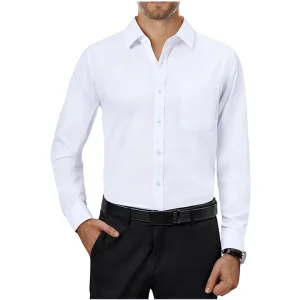
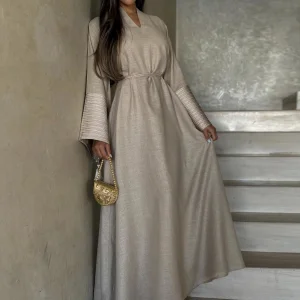
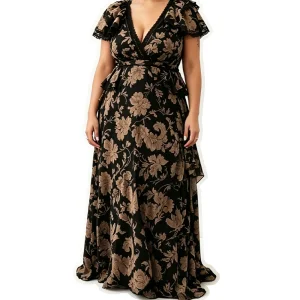
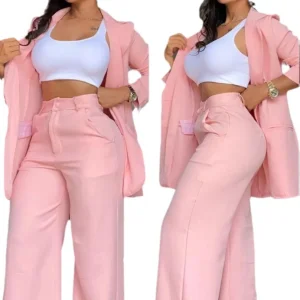
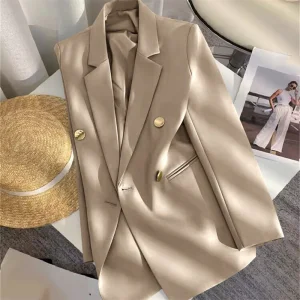
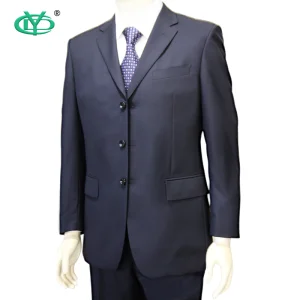
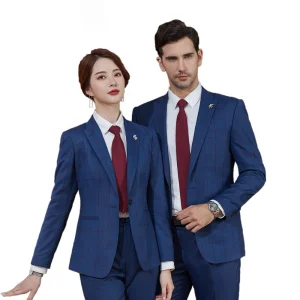
Seasonal Formal Wear (Summer/Winter) Factories & Exporter

Decentralized Global Supply Chain Solutions, Engineered Thermal Performance & Next-Generation Bespoke OEM/ODM Systems for Corporate Retailers

Global Procurement Demand for Seasonal Formal Wear

Analyzing the macroeconomic and environmental pressures driving the evolution of modern summer and winter B2B apparel sourcing.

In the hyper-competitive landscape of global apparel procurement, seasonal formal wear represents a unique confluence of micro-climatic performance engineering and structural design. Large-scale retail distributors, corporate procurement departments, and premium brand managers face a dual challenge: sourcing garments that conform to rigid global aesthetic standards while simultaneously adapting to shifting regional climates.
Historically, formal wear was characterized by rigid, season-agnostic designs that prioritized visual formality at the expense of dynamic comfort. However, current market analysis indicates a major shift. The demand for summer-specific formal suits and dresses is heavily focused on lightweight fabric structures (200-240 GSM) combined with advanced moisture management technologies. Conversely, winter formal wear procurement focuses on thermal efficiency, luxury yarn composition (such as high-grade cashmere, worsted merino wool, and structured velvets), and modular layering options that maintain sleek silhouettes without compromising on protection against cold elements.

+35% Growth

Global year-on-year demand surge for sustainable, wrinkle-resistant formal shirts and suits across North American and EU retail hubs.

Omni-Channel Sourcing

Enterprises are shifting toward vertically integrated factories capable of handling dynamic pattern changes for mixed-climate regions.

Traceable Compliances

Adherence to GOTS (Global Organic Textile Standard) and OEKO-TEX certification has transitioned from optional to essential for global customs clearances.
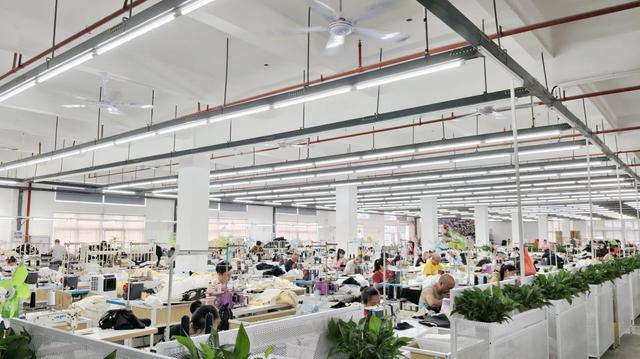
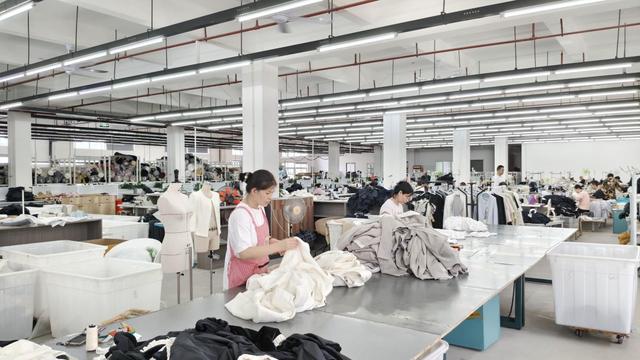
Industrial Manufacturing Base: Dongguan Aurelia Glass Co., Ltd.

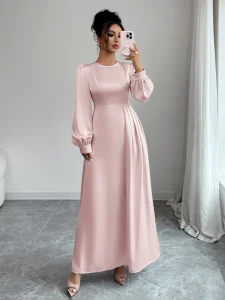
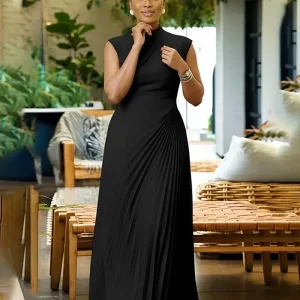
Dongguan Aurelia Glass Co., Ltd. is a professional Women’s Formal Wear manufacturer and a trusted Business & Evening Wear supplier based in Dongguan, China. The company specializes in designing, producing, and exporting elegant formal apparel for global fashion brands, retailers, boutiques, and private label clients.
With strong OEM and ODM manufacturing capabilities, Aurelia Glass Co., Ltd. provides comprehensive solutions including fashion trend analysis, fabric selection, pattern development, sample creation, bulk production, and international logistics. The company focuses on delivering high-quality women’s formal wear that combines elegance, comfort, and modern tailoring techniques.
Its product range covers business formal wear, evening gowns, cocktail dresses, office suits, and elegant occasion outfits designed for weddings, corporate events, and upscale social gatherings. Each garment is crafted with attention to detail, refined silhouettes, and premium fabric selection to ensure a sophisticated appearance and comfortable fit.
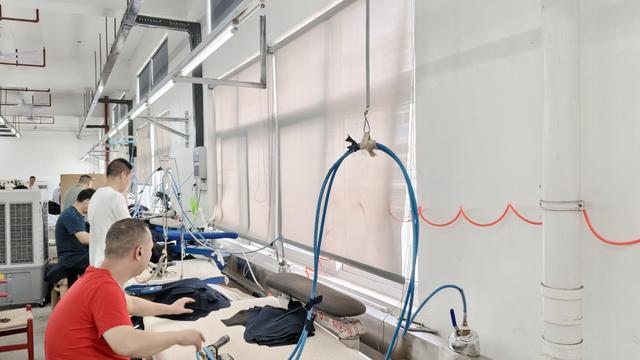
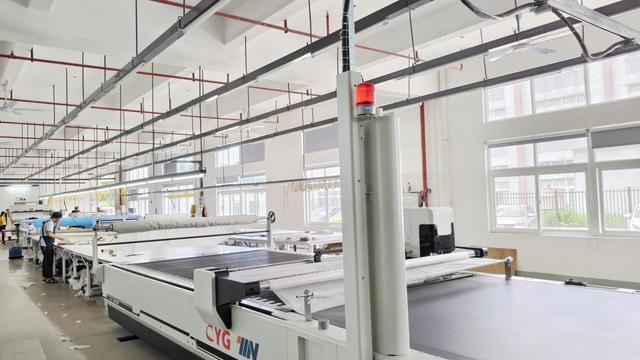
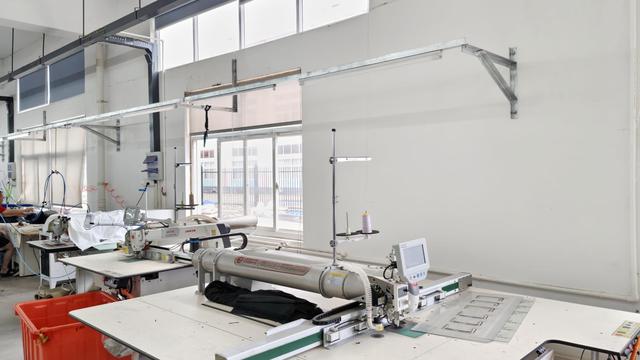
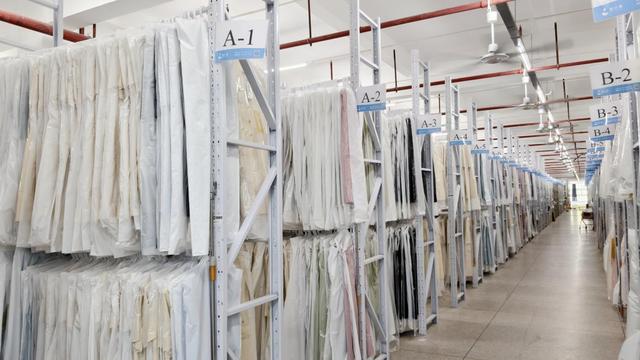
Dongguan Aurelia Glass Co., Ltd. operates advanced production facilities with strict quality control systems at every stage, from material inspection to final garment finishing. Skilled technicians and experienced designers ensure consistency, durability, and premium craftsmanship in every collection.
The company supports flexible production services, including small-batch customization for emerging brands and large-scale manufacturing for established global buyers. With efficient production management and competitive pricing, Aurelia Glass helps clients shorten product development cycles and enhance market competitiveness.
By combining innovation, craftsmanship, and fashion-forward design, Dongguan Aurelia Glass Co., Ltd. has become a reliable OEM & ODM partner for Women’s Formal Wear, delivering elegant, high-quality, and market-ready apparel solutions to customers worldwide.

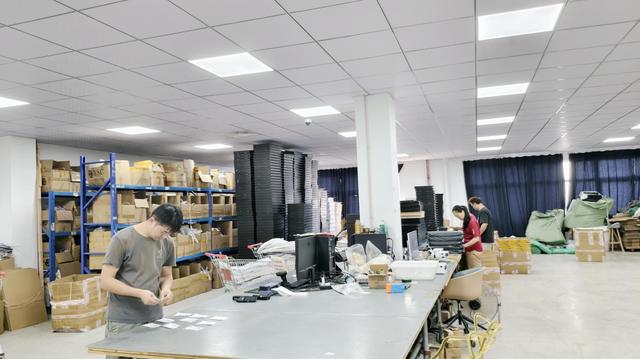
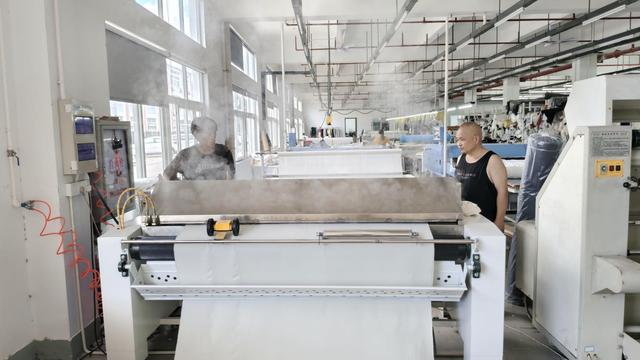
Advanced Factory Infrastructure & Fabrication Lines

Technical Solutions: Summer vs. Winter Material Architecture

How we apply material sciences and structural garment engineering to meet divergent seasonal specifications.

Summer Matrix

Fabric Engineering: We use ultra-lightweight cotton, linen, silk, and regenerated cellulosic fibers (Modal, Lyocell) with a GSM of 180 to 220.

Ventilation Properties: Low fabric density, open-weave structure, and moisture-wicking coatings ensure maximum breathability in high-temperature settings.

Construction Strategy: Unlined or half-lined constructions, combined with lightweight fused interlinings, minimize heat retention while retaining shape.

Winter Matrix

Fabric Engineering: Heavy worsted wools, cashmere blends, velvets, and flannels from 320 to 450 GSM are selected for thermal insulation.

Thermal Management: Higher density weaves trap micro-air pockets near the body, keeping heat in without adding excessive bulk.

Construction Strategy: Full-canvas or half-canvas options, complete inner-lining systems, and windproof under-layers keep the garment structured and warm.

Smart Micro-Climatic Integration

Our state-of-the-art manufacturing facilities incorporate high-performance synthetic fibers, such as polyester/viscose blends with built-in elasticity, alongside sustainable cotton-silk weaves. This hybrid approach enables the creation of cross-seasonal, transition-phase clothing. By treating fabrics with eco-friendly coatings, we ensure that our formal wear maintains its shape, resists wrinkles, and is easy to clean, keeping high-end fashion practical for everyday wear.

Strategic Procurement Framework & Quality Assurance

Ensuring end-to-end supply chain visibility, rigorous quality control protocols, and rapid market entry for major retail brands.

Procuring seasonal collections requires a clear manufacturing timeline. Winter apparel production must start early in the year to reach retail shelves before cold weather begins. At Dongguan Aurelia Glass Co., Ltd., we align our timeline with global retail cycles using a 4-phase sourcing system:

1. Sourcing and R&D Phase (Month 1-2)

Yarn selection, digital pattern making, and custom color matching. Virtual 3D software is used to design and modify patterns, cutting down sample creation times by 40%.

2. Prototype & Fit Testing Phase (Month 2-3)

Physical samples undergo strict wear testing, dry cleaning evaluation, and dimensional stability analysis. We test the drape, pull, and recovery of our fabrics to ensure they perform well.

3. Bulk Production & Process Control (Month 3-5)

Using automated laser cutters and precise computer-controlled sewing systems, we run production under strict quality checks. Inspection starts at the raw fabric stage and continues through intermediate sewing to final pressing.

4. Compliance Verification & Global Dispatch (Month 5-6)

Every batch is packaged in humidity-controlled environments, checked by third-party inspectors, and dispatched with full customs documentation for smooth clearance.

Localization Support & Global Safety Standards

Meeting international testing guidelines and regional environmental policies for global markets.

Exporting to North America, Europe, and the Middle East requires strict adherence to local laws. Dongguan Aurelia Glass Co., Ltd. ensures all materials meet the chemical and physical safety standards of their target markets. From checking lead and azo dye limits under EU REACH laws to complying with US CPSIA guidelines, we verify all raw materials before production begins.
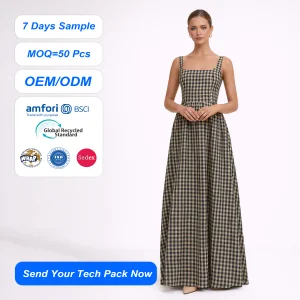
In addition, our factory operations are regularly audited under BSCI (Business Social Compliance Initiative) and WRAP (Worldwide Responsible Accredited Production) frameworks. This ensures our clients can confidently showcase their sustainable practices, proving that their formal dresses and suits are produced under fair, safe, and transparent working conditions.

Strategic Procurement Q&A (FAQ)

Expert insights addressing complex technical, logistical, and custom requirements for bulk seasonal dress purchases.

What are your minimum order quantities (MOQs) for custom OEM collections?
We support flexible production schedules. For standard fabrics in our inventory, our MOQ starts at 100 to 200 pieces per style/color. For fully customized fabric weaves, dye runs, or specialized patterns, the MOQ typically begins at 500 pieces, depending on the complexity of the materials.
How does your factory manage dimensional stability and shrinkage across seasonal collections?
Every roll of fabric we use is pre-shrunk before cutting. We subject materials to standard washing tests to ensure shrinkage remains below 1.5% for woven cotton-polyester items, and below 2% for wool and silk formal wear.
Do you provide localized labeling and packaging compliance for the EU and North American markets?
Yes. We design and attach custom tags detailing material composition, care instructions in multiple languages, and barcode labels that comply with FTCA and EU rules. This ensures your products are retail-ready upon arrival.
What is the typical production timeline for large-scale winter suit orders?
Our standard production cycle is 45 to 60 days from final sample approval and deposit confirmation. If specialized fabrics are sourced from select mills, lead times may adjust by 10 to 15 days, which we coordinate closely during the design phase.
How do you guarantee that fabric colors stay consistent across different production runs?
We use computer-guided spectrophotometers to measure color consistency. By matching colors against digital profiles, we keep variance within strict industry tolerances (Delta E < 1.0), ensuring identical shade matching for all production runs.
All Seasonal Formal Wear (Summer/Winter) Products