China Top 10 How to Avoid Overdressing in Formal Settings?

Time:2026-10-10 Author:Aria
0%

In China’s professional world, appearance often communicates respect before conversation begins. A tailored suit, polished shoes, and a clean shirt can support confidence. Yet excessive formality may create distance, discomfort, or an impression of trying too hard. This guide explores China Top 10 practical ways to understand how to avoid over dressing in formal settings, from business meetings to official dinners and workplace presentations.

Experienced professionals usually assess the venue, hosts, industry, and time of day before choosing an outfit. A dark navy suit may suit a corporate meeting, while a lighter jacket can feel more natural at an informal client lunch. Fit matters more than expensive labels. Sleeves should reach the wrist, trousers should break neatly, and shoes should look maintained rather than flashy. Small details speak loudly.

Cultural awareness also helps. In many Chinese settings, restrained colors and simple accessories appear polished without demanding attention. A discreet watch may work better than several luxury items. Heavy fragrance, bright patterns, and excessive jewelry can distract during introductions. They may also photograph poorly under strong meeting-room lights.

There is no perfect formula. Personal style, regional habits, and company culture can change the answer. I have seen well-dressed guests feel uncomfortable because their clothing ignored the room’s relaxed atmosphere. That mistake is easy to make. The most reliable approach combines preparation with observation. Notice what respected colleagues wear, then adjust slightly rather than copying them completely. Formal, but not theatrical. That balance takes practice.
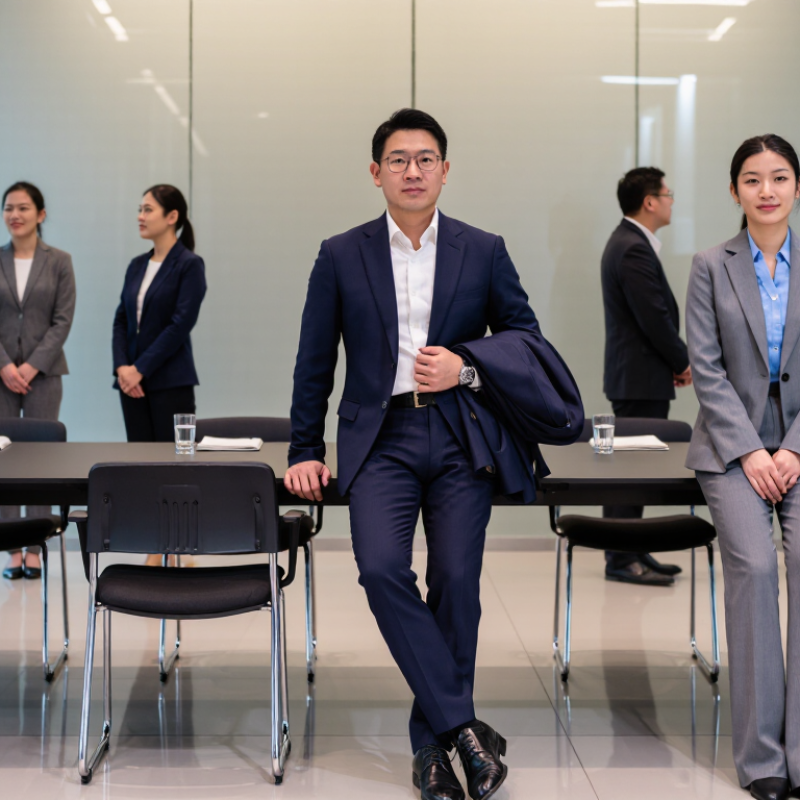
China Top 10 How to Avoid Overdressing in Formal Settings?

Understanding Formal Dress Expectations in China

Formal dress in China is less about displaying wealth than showing respect for the occasion. Expectations change between a government meeting, a company dinner, a wedding, and an academic event. In business settings, a dark, well-fitted suit, pressed shirt, and modest leather shoes remain dependable choices. Women often choose tailored trousers, a knee-length skirt, or a simple dress with covered shoulders. Neutral colors feel safer in conservative offices. Black, navy, and gray.

Local experience matters because formality is often read through small details. Arrive with clean shoes, tidy hair, and restrained accessories. A jacket should sit smoothly when you stand and greet others. At a formal dinner, remove bulky outerwear before entering the room. Some hosts dress more casually than expected, but matching their level too quickly can seem careless. I once saw an overseas guest wear a bright party outfit to a business banquet. The clothing was expensive, yet the setting made it uncomfortable. The mistake was not cost. It was poor observation.

Check the invitation, venue, and guest list before choosing clothes. When uncertain, ask a local colleague discreetly. Cultural expectations are not identical across Chinese cities or industries. A technology gathering may welcome smart casual clothing, while a state-related meeting may require greater restraint. Avoid clothing that is transparent, extremely short, or visibly worn. Comfort deserves attention too. Tight collars and unsuitable shoes can distract you during introductions. Perfect formality is difficult. Respectful adjustment is more useful.

China Top 10: How to Avoid Overdressing in Formal Settings?

Understanding Formal Dress Expectations in China

The formality index reflects common expectations in China: 1 means polished everyday wear, while 5 means highly formal and conservative attire. When uncertain, choose clean, understated clothing and avoid excessive accessories, bright colors, or visibly casual items.

Identifying Common Signs of Overdressing

Overdressing often appears before anyone says a word. A sharply cut suit can look excessive when everyone else wears relaxed business clothing. Watch the room, the invitation, and the event schedule. A formal evening ceremony allows more structure than a daytime office reception.

Common signs include glossy fabric, several large accessories, and colors that compete for attention. A sparkling watch, dramatic tie, and pocket decoration may each look attractive alone. Together, they can create visual noise. Shoes that feel too ceremonial for the venue are another warning. If guests are walking on grass, polished dress shoes may look uncomfortable and impractical.

Experienced event coordinators often recommend choosing one noticeable detail, not three. Check whether your jacket restricts movement when you sit, greet someone, or carry a small plate. Comfort is useful evidence. If you keep adjusting your cuffs or worrying about stains, the outfit may be wearing you. It helps to compare your clothing with the host’s wording, not only with online photographs. Photos can exaggerate formality.

I once chose a jacket that was technically appropriate but clearly too elaborate for a small professional meeting. The tailoring was excellent. My judgment was not. Removing one accessory would have made the outfit calmer. That mistake still reminds me to respect the setting, the time of day, and the people attending. Dress well, but leave space for the occasion.

Choosing Appropriate Colors, Fabrics, and Silhouettes

China Top 10: How to Avoid Overdressing in Formal Settings?

When dressing formally in China, overdressing often begins with intensity, not price: shiny cloth, sharp contrast, or too many accessories. Start with color. Charcoal, deep navy, and softened black look authoritative without competing with the room. For daytime meetings, dusty blue, taupe, or restrained olive can reduce visual pressure. Keep one focal point. Choose a pale shirt or a quiet tie, not both. Office LEDs can make cool gray appear harsher than expected. That is an easy mistake. Textile Exchange’s Materials Market Report 2024 records 124 million tonnes of global fiber production in 2023. This scale makes repeatable, versatile clothing a practical professional choice.

Fabric should absorb light, not broadcast it. Midweight wool, wool blends, and tightly woven cotton usually hold shape while staying breathable. Linen can work in warm settings, but creasing may look careless during long ceremonies. Test the seat. Sit, raise your arms, and check whether the jacket pulls across your back. A clean silhouette needs movement. Choose moderate shoulder structure, a natural waist, and trousers that break lightly over the shoe. Recent McKinsey and BoF State of Fashion reporting describes shoppers as more value-conscious, so versatility matters beyond one event. Still, reports describe markets, not your body. I sometimes choose a relaxed cut and regret it when photographs expose poor sleeve length. Professional tailoring beats dramatic styling.

Adjusting Your Outfit for Different Formal Occasions

China Top 10: How to Avoid Overdressing in Formal Settings?

Formal clothing should match the occasion, not your anxiety. In China, a job interview often needs a clean suit, polished shoes, and restrained colors. A business lunch may allow an open collar and lighter fabric. A wedding requires respect, but an eye-catching tuxedo can compete with the couple. PwC’s 2024 Global Workforce Hopes and Fears Survey covered 56,000 workers across more than 50 countries. It found that 28% expected major changes in their work skills. That changing workplace makes flexible judgment more useful than one fixed dress rule. I still sometimes choose a jacket that feels too formal. It looks safe, yet it can create distance.

Tips: Check the invitation carefully. Observe the host’s usual style. For government, finance, or legal meetings, choose conservative tailoring. For creative events, remove one formal element, such as a tie or waistcoat. Keep the fit precise. Wrinkled fabric looks careless, even when expensive. Neutral colors reduce attention, while one small detail adds personality. Avoid excessive logos, bright jewelry, and heavy fragrance. A practical test helps: sit, walk, and shake hands before leaving home. If the outfit feels like a costume, simplify it. Ask a colleague for an honest opinion. They may notice what you miss.

The International Labour Organization’s 2024 World Employment and Social Outlook highlights continuing workplace uncertainty. Clothing can quietly support confidence during that uncertainty. However, confidence is not the same as visual dominance. A modest watch, clean leather shoes, and a pressed shirt usually communicate enough. Perfect rules do not exist. Context still wins.

China Top 10 How to Avoid Overdressing in Formal Settings? - Adjusting Your Outfit for Different Formal Occasions

No. Formal Occasion Common Overdressing Risk Recommended Outfit Adjustment Color and Fabric Guidance Accessories and Grooming Quick Etiquette Check
1 Job Interview
Especially for a conservative office
Wearing a tuxedo-style suit, highly decorative jewelry, or an outfit that looks more ceremonial than professional. Choose a well-fitted two-piece suit or a tailored blazer with trousers. Remove the jacket only if the workplace setting clearly permits it. Use restrained navy, charcoal, gray, or muted earth tones. Choose matte, wrinkle-resistant fabrics. Keep jewelry, fragrance, and makeup understated. Make sure shoes are clean and polished. Prioritize neatness, comfort, and suitability for the employer’s work environment.
2 Business Meeting
With clients or senior colleagues
Wearing a three-piece suit, formal evening accessories, or a very bright tie that competes with the discussion. Wear a simple suit, collared shirt, or tailored blouse. A structured blazer can provide formality without appearing excessive. Select solid or subtle patterns. Avoid shiny fabrics and strong color contrasts unless the sector normally expects them. Use one practical work bag and minimal accessories. Keep grooming polished but natural. Match the expected level of formality of the host, location, and industry.
3 Professional Conference
Daytime event or panel session
Wearing gala-level clothing when the event is primarily educational or business casual. Combine a blazer, smart trousers or a modest skirt, and a simple shirt or blouse. Choose layers for changing room temperatures. Medium-weight fabrics and subtle patterns work well. Avoid excessive sequins, metallic finishes, or dramatic evening colors. Wear comfortable closed-toe shoes if standing or walking is likely. Carry only essential items. Check the event schedule and dress guidance before choosing the final layer.
4 Academic Presentation
University, research, or training setting
Using highly formal corporate attire that distracts from the presentation or appears disconnected from an academic setting. Wear a clean blazer, cardigan, or structured jacket with tailored trousers, a skirt, or a modest dress. Choose breathable, non-reflective fabrics and colors that remain clear under presentation lighting. Keep accessories quiet so they do not make noise while speaking or operating equipment. Test sitting, walking, and presenting in the outfit before the event.
5 Wedding Guest
Daytime or evening celebration
Choosing clothing that resembles the couple’s formal attire or wearing attention-grabbing decorations. Select an elegant suit, dress, or coordinated separates that are festive but not more prominent than the wedding party. Follow the invitation and local customs. Avoid white when it may be associated with the bride and use caution with all-white outfits. Use one or two refined accessories. Choose shoes suitable for extended standing, photographs, and movement. Respect any stated color theme, cultural custom, or dress code on the invitation.
6 Funeral or Memorial Service Wearing glamorous eveningwear, vivid colors, festive prints, or conspicuous accessories. Choose conservative, modest clothing with a simple silhouette and enough coverage for the venue and ceremony. Prefer subdued colors such as black, dark gray, navy, or other locally appropriate respectful tones. Keep makeup, fragrance, jewelry, and hairstyles restrained. Wear quiet, comfortable footwear. Follow the family’s instructions and relevant cultural or religious customs.
7 Government or Official Appointment Wearing highly fashionable, theatrical, or overly casual clothing that may appear disrespectful or impractical. Wear clean, conservative business attire with a comfortable fit and easy-to-manage layers. Choose solid colors and modest fabrics. Avoid large logos, slogans, or distracting graphics. Keep documents organized and accessories functional. Choose practical shoes for possible waiting or walking. Review any appointment-specific clothing, security, or identification requirements.
8 Formal Dinner
Restaurant, reception, or hosted meal
Wearing a full evening ensemble when the invitation calls for business formal or smart formal attire. Use one formal focal piece, such as a tailored jacket or elegant dress, and keep the remaining items simple. Choose refined fabrics with limited shine. Darker shades are generally versatile for evening settings. Select a compact bag and secure accessories that will not interfere with dining or conversation. Confirm whether the invitation specifies business formal, cocktail, or another dress level.
9 Corporate Ceremony or Award Event Wearing attire that is more theatrical or luxurious than the event’s stated business dress code. Wear a polished suit, formal separates, or a modest evening-appropriate outfit with a clean, tailored shape. A restrained dark or neutral base with one subtle accent usually looks formal without being excessive. Choose coordinated accessories and avoid excessive sparkle, oversized items, or strong fragrance. Consider the audience, photography, stage lighting, and the possibility of networking.
10 Formal Cultural or Religious Ceremony Wearing revealing, casual, or culturally inappropriate clothing, even if the outfit is expensive or fashionable. Choose modest, respectful clothing with covered shoulders or knees when required, and bring a suitable outer layer if needed. Use non-transparent fabrics and avoid patterns or colors that may conflict with the ceremony’s customs. Keep accessories simple and follow rules concerning head coverings, footwear, photography, or personal presentation. Ask the host or consult the venue’s guidance when cultural or religious expectations are unclear.

General rule: Start with the invitation or host’s dress code, then adjust the outfit by removing one formal or decorative element if the look feels more ceremonial than the occasion requires.

Applying Ten Practical Ways to Dress with Balanced Elegance

China Top 10 How to Avoid Overdressing in Formal Settings?

Applying Ten Practical Ways to Dress with Balanced Elegance

Formal dressing should communicate respect without becoming a costume. Begin with accurate fit, clean lines, and one controlled focal point. Choose neutral colors, breathable fabrics, and subtle textures. Keep shoulders structured, but avoid stiff padding. Match your belt, shoes, and bag in tone. Select polished shoes with modest detailing. Use accessories sparingly, preferably one watch or a simple piece of jewelry. Check the venue, time, weather, and cultural expectations before dressing.

The 2024 McKinsey State of Fashion report found that 73 percent of fashion executives expected conditions to worsen or remain unchanged. This supports thoughtful, versatile wardrobes over excessive purchasing. A well-tailored jacket can serve interviews, dinners, and presentations. The Journal of Experimental Social Psychology also reported that formal clothing can influence abstract thinking. However, confidence should not depend on expensive garments. I still sometimes choose a jacket that feels too serious. That mistake reminds me to test movement before leaving home.

Tips: Keep one element relaxed. Try a soft shirt under a structured jacket, or plain trousers with refined loafers. Limit visible logos and strong patterns. Leave enough room to sit, walk, and greet people comfortably. Photograph the outfit in natural light. Small flaws become clearer there. Steam creases, trim loose threads, and check your cuffs. Balanced elegance often appears quiet, not perfect.

FAQS

What is the main purpose of formal dress in China?

Formal clothing mainly shows respect for the occasion and the people present. It does not need to display wealth. A dark, well-fitted suit is usually dependable.

What should I wear to a formal business meeting?

Choose a pressed shirt, dark suit, and modest leather shoes. Women may wear tailored trousers, a knee-length skirt, or a simple dress. Covered shoulders are safer in conservative offices.

Which colors are generally suitable for conservative events?

Black, navy, and gray are reliable choices. Neutral colors usually attract less unwanted attention. Bright colors can work, but the setting matters.

How can I avoid overdressing?

Compare your clothes with the invitation, venue, schedule, and guest list. Glossy fabric, several large accessories, or ceremonial shoes may look excessive. One noticeable detail is enough.

What are practical signs that an outfit is too formal?

Watch how people move and dress around you. Polished dress shoes may seem impractical on grass. A dramatic tie, sparkling watch, and decorative pocket item can create visual noise.

Does comfort matter during a formal event?

Yes. Tight collars and unsuitable shoes can distract you during introductions. Check whether your jacket allows easy movement while sitting, greeting, or carrying a small plate. Comfort is evidence.

Should I dress differently for different events?

Yes. A government-related meeting usually requires greater restraint. A company dinner, wedding, academic event, or technology gathering may follow different standards. The same outfit will not suit every room.

What should I do when the dress code is unclear?

Check the invitation and venue carefully. Ask a local colleague discreetly if needed. Do not copy a casual host too quickly. I once chose an excellent jacket that was still too elaborate for a small meeting. My tailoring was right, but my judgment was not.

Conclusion

This guide explains how to avoid over dressing in formal settings by understanding the expectations behind different occasions in China. Formal dressing should communicate respect, confidence, and cultural awareness without appearing excessive. Readers will learn to recognize common signs of overdressing, such as overly bright colors, excessive decoration, uncomfortable fabrics, or silhouettes that seem too dramatic for the event. The article also highlights how color, material, fit, and balance influence the overall impression of an outfit.

It further explores how to adjust clothing choices for business meetings, ceremonies, official gatherings, dinners, and other formal occasions. Through ten practical methods, readers can build an elegant and appropriate appearance by prioritizing neat tailoring, refined simplicity, suitable accessories, and comfort. The goal is not to dress plainly, but to create a polished look that matches the setting, respects others, and allows personal confidence to show naturally without overwhelming the occasion.

Aria

Aria

Aria is a dedicated marketing professional with a deep passion for innovative strategies and a keen understanding of our company's product offerings. With a wealth of experience in the industry, Aria excels at crafting engaging content that highlights the unique features and benefits of our......