Formal wear plays a crucial role in professional success today. Experts in the field emphasize its importance for making a strong impression. According to Dr. Emily Thompson, a renowned image consultant, "Dressing well can significantly enhance one's confidence and credibility in any professional setting." This highlights why is formal wear important for professional settings.
Attire does more than just cover our bodies; it communicates our respect for the occasion and the people involved. When individuals choose formal attire, they make a conscious statement about their professionalism. The right outfit can attract attention or even open doors to new opportunities. Yet, many people overlook this vital aspect of their professional lives.
In a world where first impressions matter, formal wear can either lift you up or pull you down. A mismatched outfit can signal lack of preparation. The stark reality is that not every professional understands these nuances. Some may need to reflect on their clothing choices and how these choices impact their career trajectories. Embracing formal wear is not just about style; it's about cultivating an image of reliability and confidence.
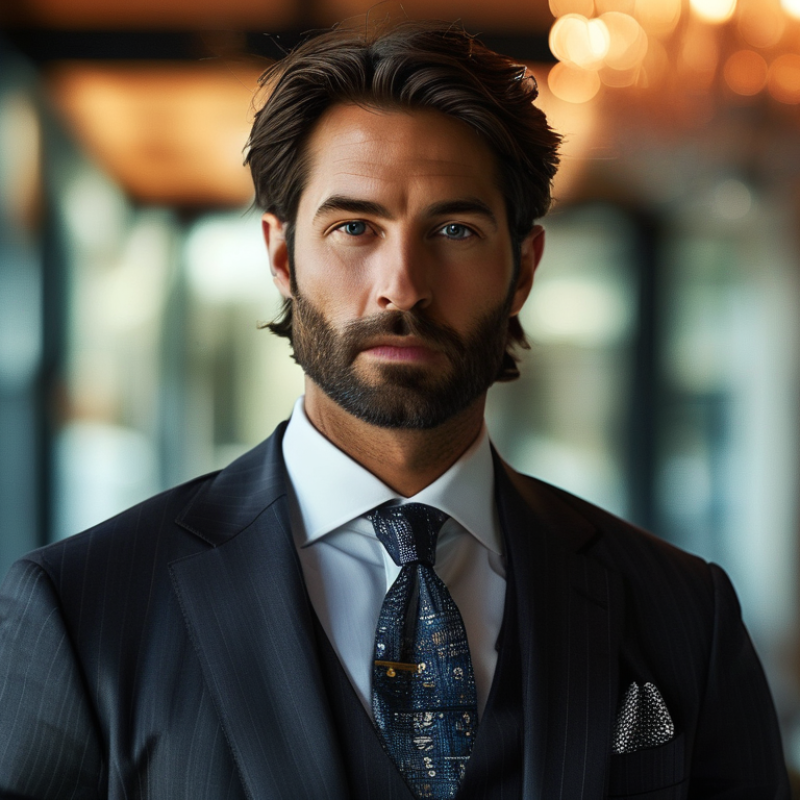
The significance of formal wear in a professional setting cannot be overstated. The right clothing can communicate authority and confidence. When individuals dress formally, they convey respect for their roles and those they work with. This attire often leads to improved first impressions during meetings and interviews.
Moreover, formal wear can influence one’s mindset. Wearing polished, tailored clothing can enhance one’s self-esteem. The psychological effect of dressing well can empower individuals to perform better. However, not everyone has access to high-quality formal attire. This can create feelings of inadequacy among professionals.
Attention to detail is crucial. Every choice, from tie to shoes, can alter perceptions significantly. While some may argue that skill matters most, visuals play a critical role in professional success. Striking a balance between looking good and feeling comfortable is essential. After all, confidence should come from within, but appearance undeniably makes a substantial difference.
Dressing professionally can transform your self-confidence. When you wear formal attire, you send a message to yourself and others. Research shows that people often feel more competent when dressed well. This feeling can boost your performance and increase your chances of success in various situations.
The psychological impact is significant. Formal wear can trigger a shift in mindset. You may notice that you stand taller and speak more clearly. People tend to treat you with more respect, reinforcing your self-esteem. However, it's essential to remember that clothing alone does not equate to ability. Sometimes, you might feel out of place or even anxious in new attire.
It’s about finding a balance. While formal wear can enhance confidence, it’s crucial to remain authentic. Dress for your unique style, but do so with intention. Feeling comfortable in your clothing can improve your outward demeanor. Reflecting on these choices can help you understand how much your outfit influences your day-to-day interactions.
Cultural expectations around formal attire in the workplace vary significantly across regions and industries. In many corporate environments, a suit or a tailored dress conveys professionalism and respect. Employees are often judged by their attire before they even speak. This can create an unspoken pressure to conform.
However, the ideal of professionalism through formal wear can also stifle personal expression. Not everyone feels confident in a suit, and some may prefer more casual styles that represent their identity. The challenge lies in balancing personal comfort with societal expectations. Dressing formally might enhance one’s credibility, but it can also lead to a sense of inauthenticity.
Diverse cultural backgrounds introduce additional layers to these norms. In some cultures, traditional garments signify status and competence. In contrast, Western business attire often promotes a more standardized approach. Understanding the nuances of these differing expectations is essential. It allows professionals to navigate their environments effectively while still finding room for individuality.
Dressing appropriately for networking events can greatly impact professional growth. When you walk into a room dressed in formal wear, people notice. Your outfit tells a story even before you speak. It conveys professionalism and attention to detail. This can lead to favorable first impressions.
Formal wear creates a sense of belonging. At industry conferences or networking luncheons, everyone is usually dressed to impress. If you choose to wear business casual instead, you risk standing out, but perhaps not in a good way. The discomfort of feeling underdressed can affect your confidence. You might hesitate to introduce yourself to others.
On the other hand, there’s a delicate balance. Some might feel that formal wear can appear stiff or unapproachable. This concern prompts a reflection on individuality. While fitting in is essential, maintaining personal style is also valuable. Finding that middle ground can enhance your networking experience. The right formal attire shouldn't just fit the occasion but also reflect a bit of who you are.
Formal wear has a significant link to career advancement. Studies show that professionals who dress formally are often perceived as more competent. According to a survey by the Journal of Experimental Social Psychology, individuals in formal attire are regarded as more authoritative and capable. The attire we choose sends powerful signals about our professionalism and work ethic.
Wearing formal clothing can enhance confidence. A report from the American Psychological Association indicates that clothing influences psychological states. When individuals wear formal attire, they often feel more empowered. This boost in confidence can lead to better performance in job interviews and crucial meetings. However, it’s important to consider that comfort also plays a role. Overly formal attire can lead to discomfort or distraction, which may detract from one’s focus.
The stakes are high in today’s competitive job market. Research shows that nearly 70% of employers make hiring decisions based on first impressions. This means that choosing appropriate formal wear is critical. While style helps, authenticity matters too. A mismatch between personal style and formal attire can appear inauthentic, leading to negative perceptions. Being aware of this balance can help professionals navigate their wardrobes more successfully.
: Dressing professionally can boost your self-confidence. People often feel more competent in formal attire.
Formal wear triggers a shift in mindset. You may stand taller and speak more clearly when dressed well.
Yes, many individuals are judged by their clothing before they even speak. This creates unspoken pressure.
Yes, it can limit individual styles. Some prefer casual attire that reflects their identity over formal wear.
Formal attire often signals competence. People in formal clothing are seen as more authoritative by others.
Absolutely. Overly formal clothing can cause discomfort, leading to distraction and affecting focus.
Yes, authenticity is key. A mismatch between style and attire can appear inauthentic and lead to negative perceptions.
No, they vary widely. Different regions and industries have unique expectations regarding professional attire.
Consider comfort and personal style. Reflect on how your outfit influences your interactions with others.
Avoid overly strict adherence to trends. Aim for balance to feel more authentic and comfortable in your attire.
Formal wear plays a crucial role in establishing a professional image, which is essential for career success. It reflects a commitment to professionalism and can significantly enhance one’s self-confidence, making individuals feel more capable and poised in various work situations. Understanding why is formal wear important for professional settings involves recognizing the cultural expectations and norms that often dictate attire in the workplace. Adhering to these standards can foster respect and admiration from peers and superiors alike.
Moreover, appropriate formal wear can facilitate networking opportunities, providing a favorable first impression in professional interactions. Dressing in formal attire not only aligns with industry expectations but also can be linked to career advancement success, as individuals who maintain a polished appearance are often perceived as more competent and reliable. Ultimately, formal wear is an essential component of professional environments, impacting self-image, relationships, and career trajectories.

Stabiae Clothe