B2B INDUSTRY WHITE PAPER & SUPPLY SOLUTIONS

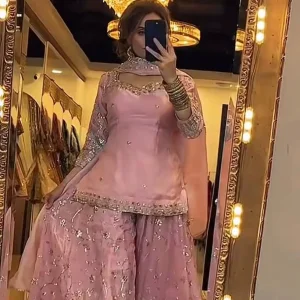
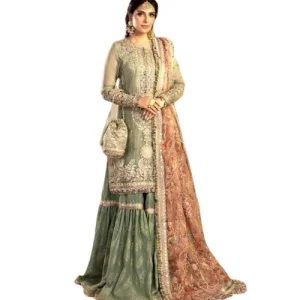
Luxury Designer Formal Wear Manufacturers & Factories in Istanbul

A Comprehensive Guide to Sourcing Premium Evening Gowns, Custom Tuxedos, and High-End Occasion Apparel Through Global OEM/ODM Collaboration Ecosystems

EXECUTIVE INSIGHTS

Istanbul's Luxury Apparel Landscape & Global Supply Chain Dynamics

Istanbul stands as a monumental geographic and historical hub for global fashion sourcing. Bridging Europe and Asia, the Turkish textile and apparel sector has earned an international reputation for high-end artisanal craftsmanship, rapid transit to European markets, and flexible, medium-scale production runs. Local design districts such as Nişantaşı, Osmanbey, and Laleli serve as vital epicenters for fashion curation, pattern engineering, and luxury fabric selection. However, as global supply chains evolve toward digitized operations, high-volume cost efficiency, and hyper-precise material science, the sourcing landscape has transformed into a collaborative ecosystem that integrates Turkish design sensibilities with the raw industrial muscle of advanced East Asian manufacturing.

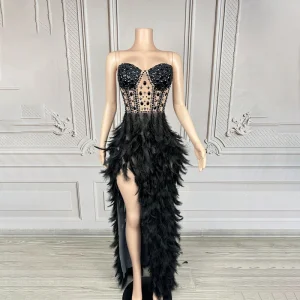
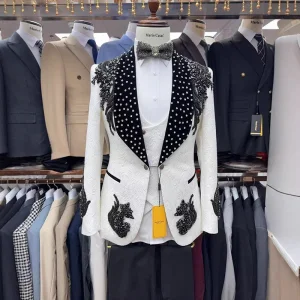
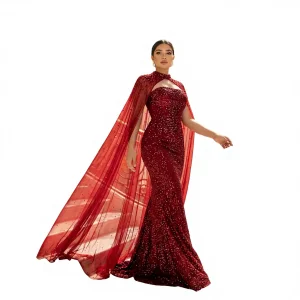
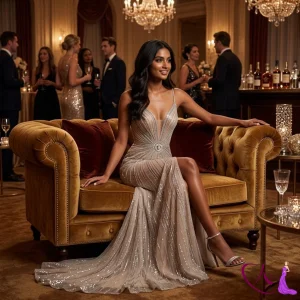
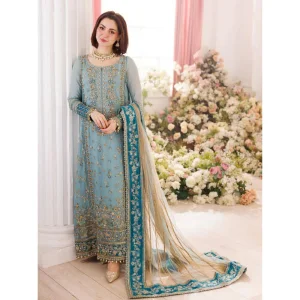
In the luxury designer formal wear sector—encompassing intricate hand-beaded evening gowns, masterfully tailored wool-blend tuxedo suits, and delicate silk dresses—the primary challenges for global brands are scalability, raw material consistency, and structural price stabilization. Sourcing exclusively from boutique European ateliers often introduces bottlenecks due to labor shortages and limited technological infrastructure. Consequently, modern fashion conglomerates are turning to hybrid sourcing paradigms: utilizing Turkey for localization, nearshore distribution, and trend ideation, while partnering with industrial giants located in high-efficiency hubs like Dongguan, China, to execute volume production, material testing, and advanced ODM processes.

Turkey's Nearshore Advantages vs. China’s High-Precision Industrial Scale

To successfully navigate the high-stakes market of luxury formal apparel, procurement officers must weigh local production characteristics against global manufacturing capabilities. The table below highlights the operational contrasts and synergies between Istanbul's design-led manufacturing and the advanced technical scaling of Dongguan-based garment engineering:

Istanbul Atelier Sourcing (Nearshore Design Hub)

  • Transit Times: Rapid logistics to continental Europe (typically 3–5 days via road freight).
  • Sourcing Agility: Fast response to Mediterranean styling, drape-focused modifications, and localized sizing models.
  • Artisanal Legacy: Exceptional historical expertise in hand-embroidery and local lace applications.
  • Typical Scale: Ideal for low-to-medium volume, highly customized runway items and bridal capsules.

Dongguan OEM/ODM Integration (High-Tech Supply Engine)

  • Advanced Material Sourcing: Direct access to primary silk, cashmere, and composite technical yarn markets.
  • Systemized Quality Control: Multi-phase chemical testing, tensile strength assessments, and colorfastness validation.
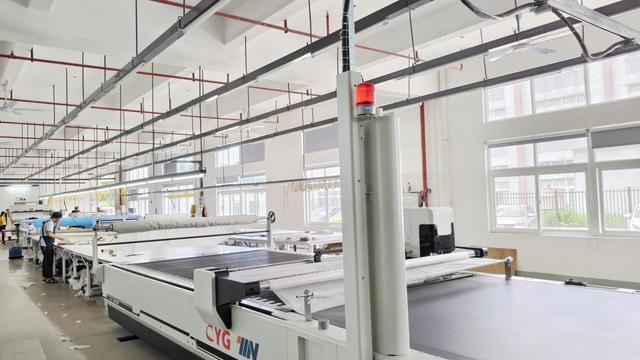
  • Precision Draping & CAD: Automated laser-cutting and digital pattern manipulation to minimize textile waste.
  • Flexible Manufacturing (FMS): Agile lines capable of handling small customized batches as well as global rollouts.

By establishing a procurement framework that leverages both regions, luxury brands can design in Istanbul, sample with local artisans to capture the cultural aesthetic, and run bulk production via advanced manufacturers like Dongguan Aurelia Glass Co., Ltd. (operating specialized textile divisions). This hybrid methodology ensures that the final garment maintains the artistic integrity required for luxury pricing while meeting global retail margins and durability standards.

15+
Years Industry Experience
99.4%
QC Inspection Pass Rate
35+
Global Luxury Brands Served
12 Days
Average Sample Turnaround
MACRO INDUSTRY TRENDS

Global Trends Reshaping the Luxury Formal Wear Manufacturing Sector

The global luxury formal wear segment is undergoing a technological and philosophical transformation. Driven by shift in consumer behavior, environmental mandates, and digital manufacturing, luxury brands must adopt new standards to stay ahead. Key macro trends include:

  1. Digital Pattern Engineering and 3D Prototyping: Using advanced software (such as CLO 3D and Gerber Accumark), designers and factories can create hyper-realistic digital twin samples. This eliminates the carbon footprint and material cost of multiple physical sample rounds, compressing product development lifecycles from 6 weeks to under 10 days.
  2. Traceable, Eco-Conscious Materials: Premium buyers demand transparency. Whether it is Turkish organic cotton, GOTS-certified silks, or recycled polyester crepe, modern luxury factories must implement strict blockchain-supported tracking of fiber origins.
  3. Adaptive Sizing & Plus-Size Haute Couture: The industry has moved decisively away from standard sample-size limitations. Modern luxury brands now demand sophisticated pattern scaling that maintains silhouette elegance across plus-sizes, utilizing structural components like built-in corsetry and high-grade inner linings.
  4. High-Performance Luxury Blends: Integrating traditional luxury fibers (silk, cashmere, merino wool) with performance filaments to provide wrinkle resistance, natural stretch, and moisture-wicking characteristics. This is vital for cross-border e-commerce where garments must survive long transit periods without permanent creasing.

Dongguan Aurelia Glass Co., Ltd.: Professional Garment & Fashion Division

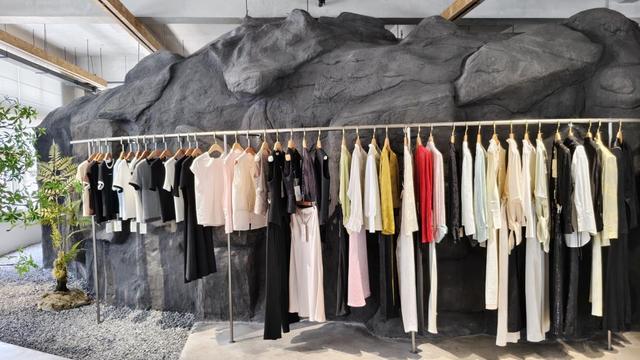
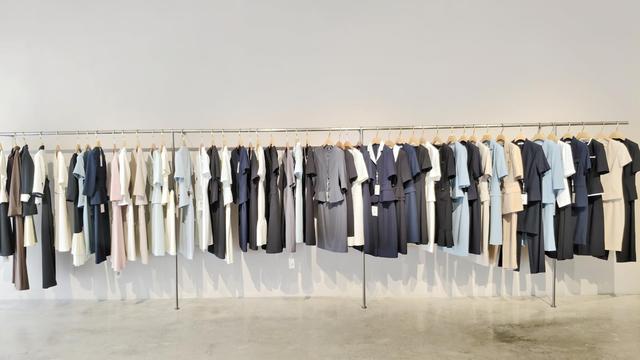
Dongguan Aurelia Glass Co., Ltd. (widely recognized for its high-performance structural glass divisions) has successfully leveraged its precision engineering framework, international export systems, and automated supply chains to develop a highly specialized Women’s Formal Wear and Business/Evening Wear division. Based in the industrial powerhouse of Dongguan, China, this unit operates as a premier OEM/ODM manufacturing partner for world-class fashion houses, regional boutiques, and major labels looking for reliable production alternatives to complement their Istanbul sourcing pipelines.

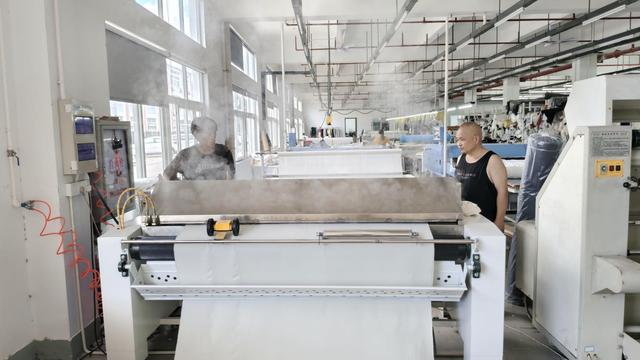
Aurelia’s advanced facility integrates rigorous physical quality control methodologies, such as tension testing for beadwork, computerized color spectrometer analysis, and high-temperature dimensional stability testing. By offering flexible production options—from small-batch custom capsules for emerging boutique labels to large-scale retail production—Aurelia serves as an essential global supply partner, mitigating the raw material shortages and logistical delays that frequently affect local manufacturing centers.

Accelerate Your Sourcing & Production Cycle

Connect with our senior technical consultants to request customized fabric swatches, technical spec sheets, or a comprehensive quote for your upcoming collection.

Send Inquiry Now
ENTERPRISE CASE SCENARIOS

Enterprise Sourcing Solutions & Regional Applications

Different markets have unique regulatory demands, sizing criteria, and aesthetic styles. Below, we break down how our hybrid Turkey-China supply chain accommodates these regional requirements:

North American Luxury Retail

Requirements: Strict chemical testing (CPSIA compliance), extensive sizing options, and fast shipping for bridal party timelines. Aurelia offers precise digital pattern grading and rapid shipping lanes from Guangzhou/Shenzhen hubs directly to North American distribution centers.

Gulf Region High-End Evening Wear

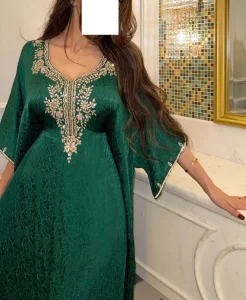
Requirements: Elaborate hand-embellished beads, modest design silhouettes, and heavy silk/crepe fabrics. Combining Istanbul design curation with Chinese production power allows us to source heavy, high-grade fabrics and run complex embroidery programs at scale.

European Corporate Uniforms

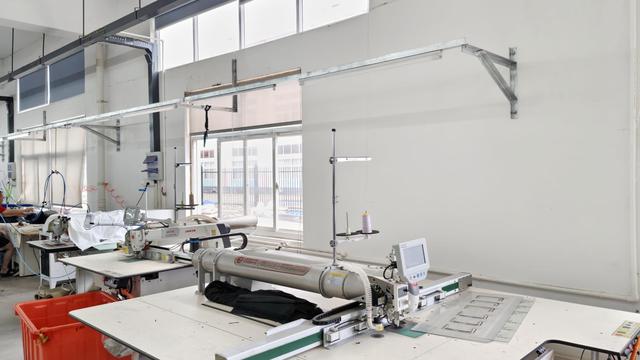
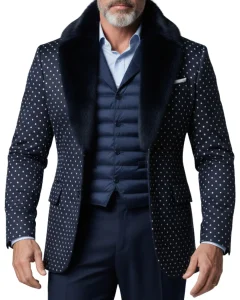
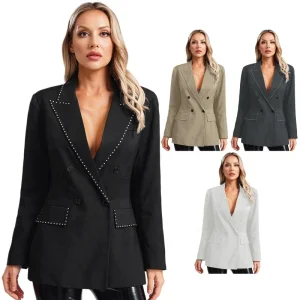
Requirements: High durability (abrasion resistance), washability, and consistent sizing. We utilize automated cutting machinery and double-stitch sewing techniques to deliver high-durability blazers and formal trousers for airlines, luxury hotels, and corporate events.

Integrated Quality Assurance (QA) & Zero-Defect Manufacturing

To eliminate defects such as loose stitching, mismatched color lots, or zipper failure, we implement a strict 4-tier inspection system:

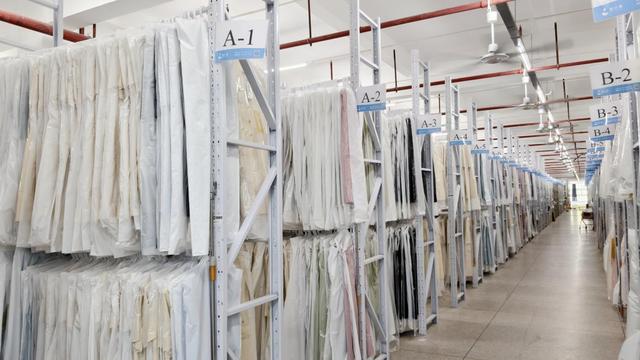
  • Incoming Material Inspection (IQC): Every roll of fabric and lot of accessories (including genuine YKK zippers, silk linings, and premium threads) undergoes shrinkage and colorfastness validation.
  • In-Process Control (IPQC): Inline operators check seam spacing, hem alignments, and interior lining integration during the assembly process.
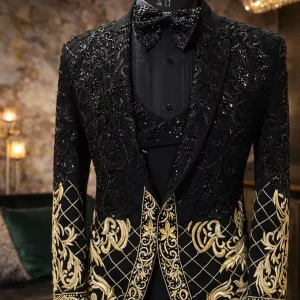
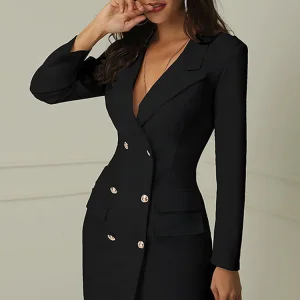
  • Pre-Packaging Inspection (FQC): Every evening dress, blazer, and tuxedo is placed on a dummy silhouette to check drape alignment and verify measurements against tech packs.
  • Pre-Shipment Audit (OQC): A randomized statistical audit based on global AQL 2.5 standards is conducted before custom crating and shipping.
FAQ

Sourcing & Manufacturing FAQs

Get professional answers about shipping, custom pattern development, fabric options, and MOQ requirements.

Q. Why should a brand choose a hybrid Turkey-China supply chain model over localized European ateliers?
Localized ateliers in Istanbul and Southern Europe are outstanding for trend ideation, custom draping, and initial sampling. However, they frequently struggle with raw material supply stability (like certified silks and cashmere) and high-volume cost efficiency. Integrating with an advanced ODM like Dongguan Aurelia Glass Co., Ltd. allows brands to maintain artisan styling while securing bulk price advantages, automated fabric cutting, and reliable logistics.
Q. What are your standard Minimum Order Quantities (MOQ) for custom-designed formal gowns?
Our MOQ is highly flexible. For custom designer evening gowns requiring hand-beading or silk chiffon work, we support small-batch custom production starting at 50 pieces per style/color. For high-volume business blazers and corporate apparel, MOQs start at 200 pieces per style.
Q. How do you verify the quality of fabrics like cashmere, silk, and wool blends?
We source all raw materials from certified yarn and textile producers with full GOTS (Global Organic Textile Standard) and OEKO-TEX certification. Additionally, our in-house lab runs shrinkage tests, color rubbing tests, and fiber content validation tests on every fabric lot before it is released to the cutting floor.
Q. What is the standard turnaround time from custom CAD pattern approval to final shipping?
Once the tech pack is approved and 3D digital patterns are finalized, physical samples are completed within 7 to 12 working days. Bulk manufacturing typically requires 30 to 45 days, depending on the complexity of hand-embroidery and the size of the order.
Q. Do you handle international customs clearance and door-to-door delivery?
Yes, our logistics division manages full customs clearance, export declarations, and door-to-door logistics (DDP/CIF) globally. We work with leading ocean, air, and rail carriers to ensure your collections arrive securely at your regional distribution centers in Europe, the Americas, or the Middle East.
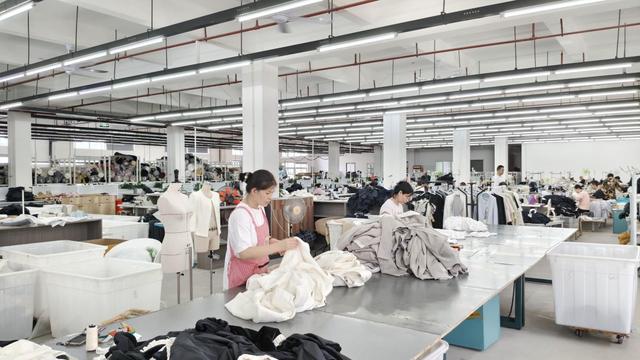
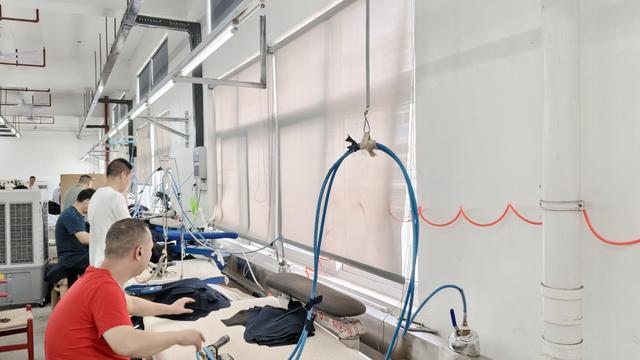
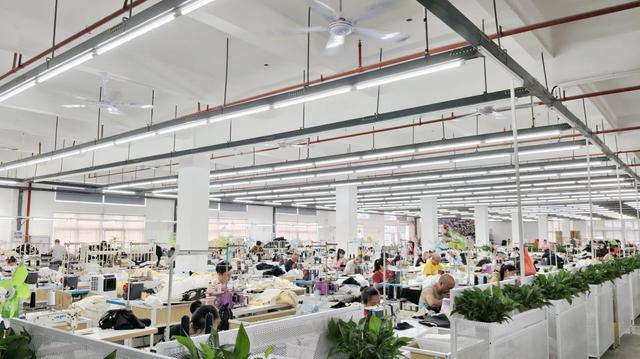
Factory & Process Gallery

Precision Operations & Production Environment

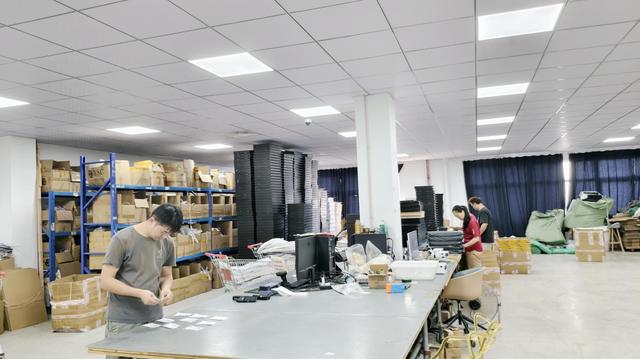
Inspect our manufacturing environment, fabric handling systems, and advanced production lines.
Initiate Custom Sourcing Request